6 Tips for What to Wear in Hot Weather (That Actually Feels Good)

If you live somewhere where temperatures stay above 30°C for months at a time, you already know — your wardrobe has to adapt. Feeling uncomfortable isn't an option, and your clothing should feel like it's working with you, not against you.
In hot weather, what you wear comes down to a few simple things — breathable fabrics, an easy fit, and pieces that don't trap heat. When those are right, everything feels easier
Tip #1: Check the fabric label (always)
Look for cotton, linen, or other natural fibers when choosing what to wear in hot weather. If it says polyester, put it back. The same goes for nylon and acrylic. These fabrics trap heat and don't let your skin breathe properly. You might not notice it immediately, but you will after an hour outside
Tip #2: Be careful with stretchy fabrics
Stretch usually means synthetic blends. They tend to cling to the body and hold onto heat. In hot weather, fabrics that feel a bit more structured and airy will always be more comfortable

Tip #3: Loose fit is your friend
Clothing that sits away from your body allows air to move. That alone makes a noticeable difference. Relaxed shirts, easy pants, slightly oversized shapes — they don't just look effortless, they feel that way too.
Tip #4: Covering your skin can actually keep you cooler
Lightweight long sleeves and loose pants protect from direct sun and often feel better than short, tight clothing. The key is keeping everything breathable and easy.
Tip #5: Layering
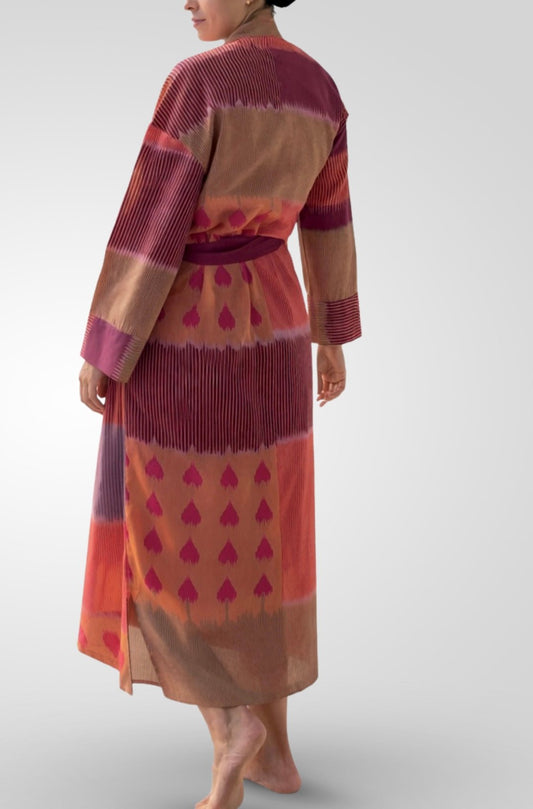
It might sound counterintuitive, but a thin layer, like an open shirt, can soften the heat instead of trapping it. It also helps when moving between indoors and outdoors. Keep it loose and breathable

Tip #6: Have fun with it
Comfort doesn't have to be boring. Play with color and pattern and explore different textures. When the fabric feels right, everything else becomes easier — you don't need much to look put together.
You end up coming back to the same kind of pieces — breathable, easy, and made for the heat. Once you find what works, there's no reason to complicate it